
Imagine this: You have absolute power over the entire world. The fate of every human being is in your hands. One morning, you wake up and are handed a button with the following choices:
- If you press this button, global hunger will end by 98%. However, as a consequence, exactly one million people will lose their lives. Which million is chosen is entirely random. Your loved ones will be guaranteed safety.
- If you press this button, hunger will reduce by only 20%, but “only” 100,000 people will die. Again, randomly chosen. And again, none of your close ones will be affected.
- If you don’t press any button, the world remains as it is today. Hunger and inequality persist.
How does this scenario make you feel ethically? Is making a rational choice the right thing, or should moral responsibility guide you? I first encountered this dilemma during a Business Ethics elective in my MBA program at Yeditepe University. In class, we debated such ethical dilemmas, trying to find the most appropriate solution through reason and conscience. Unfortunately, many of my classmates — some holding prestigious managerial roles — opted for either of the first two options. Some advocated for statistical utility; others sacrificed moral responsibility for pragmatism. I, on the other hand, would often choose the third option or ask: “Why must I be limited to these choices? I won’t do any of these but instead create a new solution.”
This approach was partly shaped by a a cultural day trip along Istanbul’s Samatya-Yedikule route. On these wonderful tours, guided by our beloved art historian Lalehan, we visited many historic sites. One of the most remarkable stops on this route was the tomb of Merkez Efendi. Lalehan passionately shared Merkez Efendi’s life story and his Sufi philosophy, especially highlighting his famous response to the question: “If you had created the universe, how would you have created it?”
Merkez Efendi, whose real name was Musa Muslihiddin Kılıç, answered:
“I would leave everything at its center, sir. I would not move anything from its place. The universe is the best of all possible worlds.”


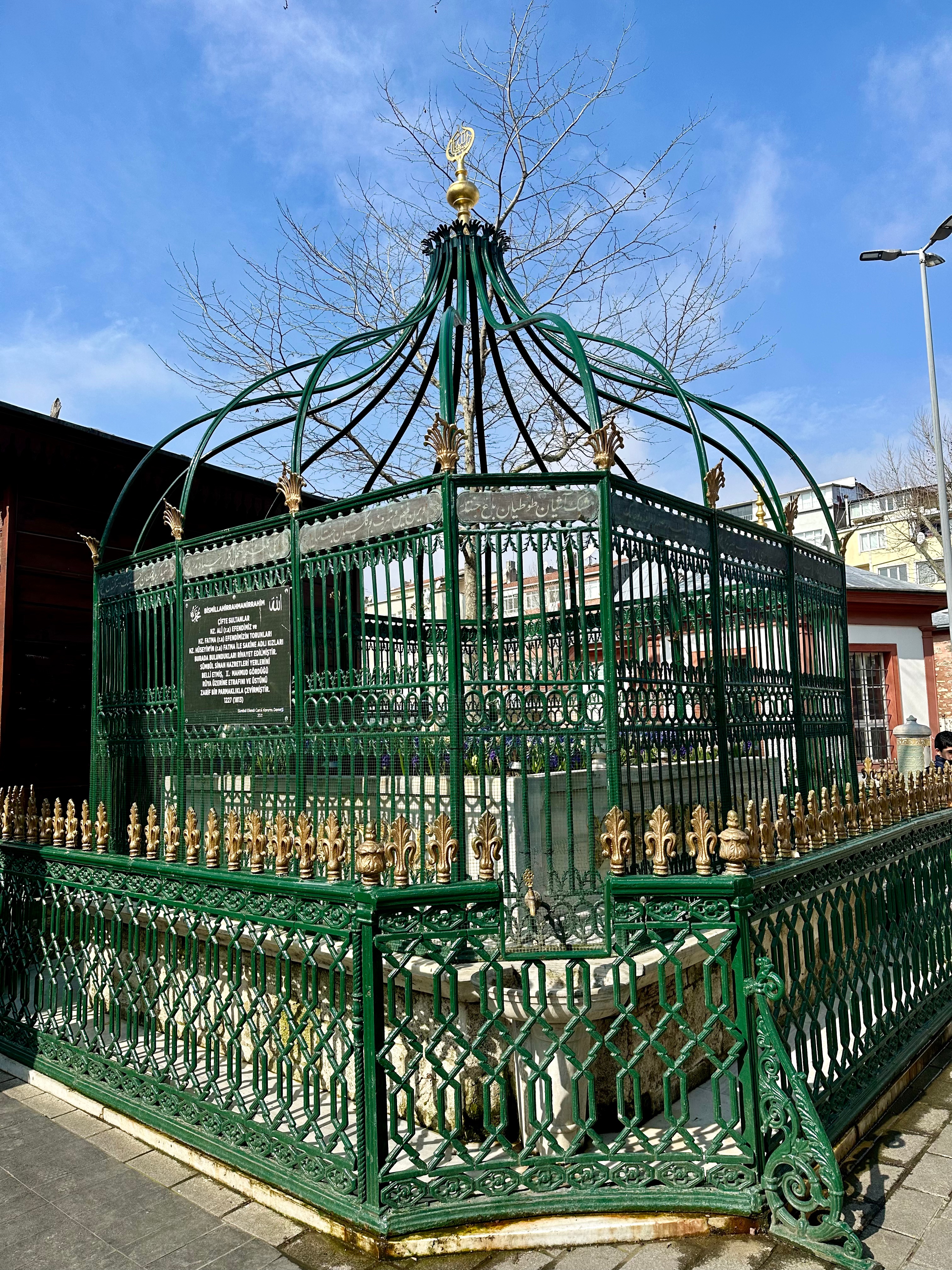
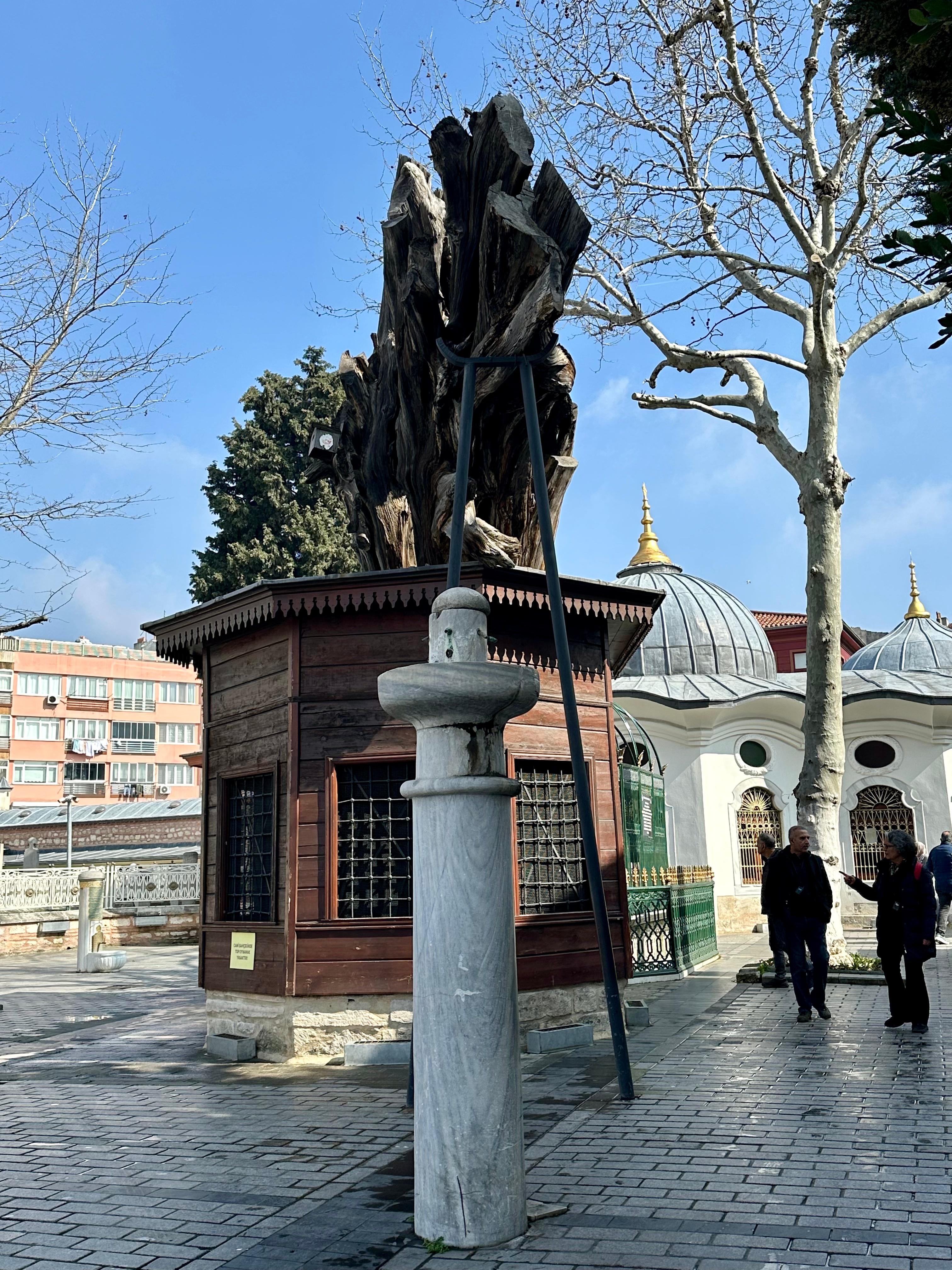

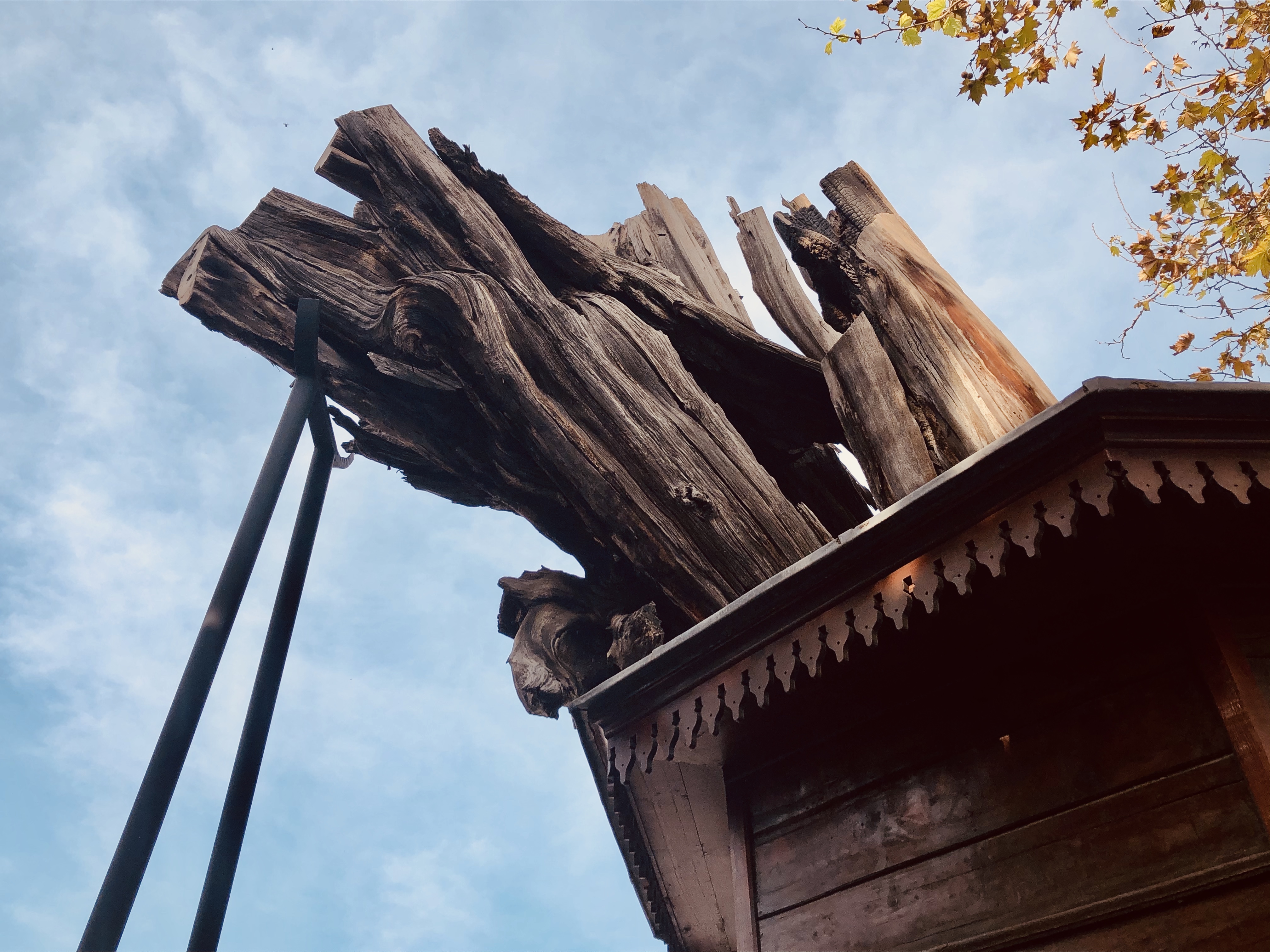
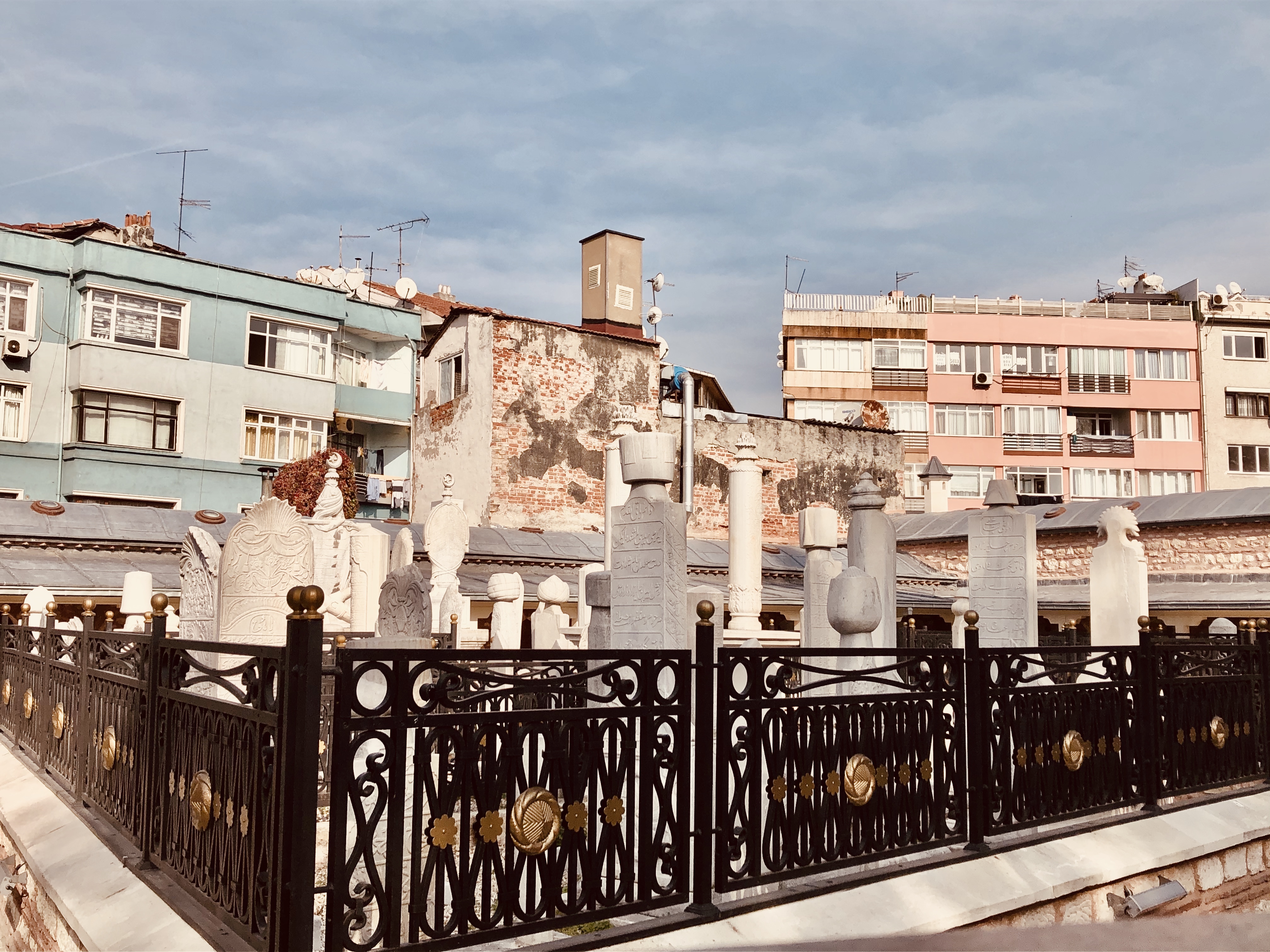
This answer reframed some of my core concepts. The idea of “remaining at the center” represents accepting and analyzing reality without disturbing its balance; it embodies a calm, observant approach before intervening. I believe this perspective is crucial, especially for decision-makers.
Yet life doesn’t always proceed in balance. Sometimes massive challenges block the way. This is when Carthaginian General Hannibal Barca’s famous words while crossing the Alps come to mind: “We will either find a way, or we will make one.” Initially, I saw this as just a powerful leadership quote. Over time, however, it grew to symbolize the reflex to strategize and create paths in the face of uncertainty — a fundamental skill in today’s business world.
So, on one side we have the culture of decision-making shaped by ethical dilemmas; on the other, the consciousness to stay centered and the determination to build new roads when necessary. These three elements — the ethics lessons, Merkez Efendi’s teachings, and Hannibal’s resolve — make me reflect:
Is true power about achieving goals by sacrificing others, or about staying centered and creating new paths?
Whether confronting an ethical dilemma, seeking direction in a dead end, or holding the power to reshape the world, perhaps the real question is:
Making a way is a virtue. But sometimes, refraining from interference and acting thoughtfully and responsibly is also a merit.
What would you do?
Discover more from Cagla's Architectural Chronicles
Subscribe to get the latest posts sent to your email.
 Cagla's Architectural Chronicles